







Search Results for: Brazilian producing regions
A Comprehensive Guide to the Brazilian Cerrado Coffee Bean Grading System, Pour-Over Parameters, and Flavor Characteristics
As the world's largest coffee-producing country, Brazil has a coffee bean grading system that is completely different from common systems like Kenya AA or Yirgacheffe G1. What exactly do the markings NY.2 SC-17/18 FC on the burlap sacks represent? Why has the Cerrado region become a classic representative of Brazilian specialty coffee? From the perspective of Front Street, this article traces the historical development of Brazilian coffee, its producing regions, and the logic behind green bean grading, and provides a detailed introduction to the brewing method and flavor profile of the Brazilian Red Bourbon semi-washed beans in Front Street's everyday drinking bean series, offering a systematic understanding of the unique charm of this major South American coffee nation. [more…]
Analysis of Brazilian Coffee Bean Flavor Characteristics and the Pulped Natural Processing Method: Is Arabica Suitable for Pour-Over?
As the world's largest coffee producer, Brazil is known for its coffee beans with low acidity, nutty and chocolate flavors, and a smooth mouthfeel, making them suitable for both blends and single-origin brews. This article explores Brazil's coffee-producing regions, main varieties, and pulped natural processing method, offering an in-depth analysis of the flavor characteristics of Brazilian coffee beans and discussing whether they are suitable for pour-over coffee. It also combines Front Street Coffee's Brazilian everyday beans and Queen Coffee to provide specific brewing parameters and flavor descriptions, helping coffee enthusiasts fully appreciate the charm of Brazilian coffee. [more…]
The Past and Present of Brazilian Bourbon Coffee: A Full Analysis of the Variety and Flavor from Introduction to Specialty Producing Regions
As the world's largest coffee producer, Brazil's coffee cultivation history can be traced back to 1727. From its initial introduction to today, where the state of Minas has become a core specialty coffee region, Brazilian coffee has undergone government control, free market opening, and quality reform. This article systematically reviews the variety characteristics and flavor performance of the Brazilian Bourbon variety, and how Front Street Coffee presents the unique charm of Brazilian coffee through two beans from Cerrado and Queen's Estate, along with detailed brewing parameters and flavor descriptions. [more…]
A Complete Analysis of Brazilian Coffee Bean Regions, Varieties, and Grades, with a Detailed Introduction to the Flavor Characteristics of Pour-Over Brazilian Coffee
Brazil, as the world's largest coffee producer, is renowned for coffee beans that are balanced in flavor, low in acidity, and prominently feature nutty and chocolate notes. This article will systematically introduce the main coffee-producing regions of Brazil, with a focus on analyzing the geographical characteristics of representative regions such as Cerrado, Sul de Minas, and Mogiana, as well as the flavor differences among core varieties like Red Bourbon and Yellow Bourbon. It will also provide a detailed explanation of how Brazil's unique pulped natural processing method improves coffee quality, along with hand-brewing parameters and brewing suggestions recommended by Front Street Coffee, helping coffee enthusiasts gain a comprehensive understanding of Brazilian coffee from origin to cup. [more…]
Introduction to the Flavor Characteristics of Brazilian Coffee Beans | What Are the Producing Regions and Coffee Bean Varieties of Brazilian Coffee Beans?
For more specialty coffee knowledge, please follow: Front Street Coffee (Frontsteet Coffee). Brazilian Cerrado coffee is very popular as Front Street's everyday beans, and there is also a Brazilian single-origin bean, Brazilian Queen Coffee, whose taste is cleaner than Brazilian Cerrado and whose flavor is even better! Of course, Brazil [more…]
Brazilian Coffee Brewing Guide: Flavor Analysis of Cerrado and Queen Estate with Detailed Pour-Over Parameters
Brazil, as the world's number one coffee-producing country, may often see its beans appear as blends, but it also has many specialty representatives. This article focuses on Front Street Coffee's two Brazilian single-origin coffees—the Cerrado everyday bean and the Queen Estate Yellow Bourbon—sorting out Brazil's coffee-producing regions' characteristics, variety differences, and the pulped natural processing method, and sharing in detail Front Street's pour-over Brazilian coffee equipment choices, coffee-to-water ratio, water temperature, and three-stage pouring technique, to help you brew a cup of Brazilian coffee full of caramel and nutty sweetness. [more…]
A Detailed Guide to Brazilian Coffee Bean Flavor Characteristics and Pour-Over Techniques: Is Light Roast or Dark Roast More Suitable?
Brazil is the world's largest producer of Arabica coffee beans, and its production fluctuations directly affect international futures prices. In recent years, adverse weather, economic factors, and the impact of the pandemic have left Brazilian coffee in a state of supply falling short of demand. Brazil's coffee-growing elevations are generally low, the beans are relatively soft, and the flavor is dominated by nutty and chocolatey sweetness, balanced acidity and bitterness, and a full-bodied mouthfeel. This article provides a detailed introduction to Brazil's coffee-producing regions, main varieties, and flavor characteristics, as well as two Brazilian beans recommended by Front Street Coffee and pour-over brewing parameters, helping coffee enthusiasts gain a comprehensive understanding of Brazilian coffee and master the key brewing points. [more…]
Analysis of Brazilian Coffee Bean Flavor Characteristics and Grading System: A Specialty Tasting Guide from Santos to Cerrado and Mogiana
Brazil, as the world's largest producer of Arabica coffee, accounts for about thirty percent of global coffee consumption. Its coffee industry relies not only on its unique geographical and climatic conditions but also on industrialized operational models that have created considerable economic benefits. Brazilian specialty coffee is mainly rooted in regions such as Minas Gerais, São Paulo, Paraná, and Mogiana. Compared with other producing regions in Central and South America, Brazilian coffee-growing areas have lower elevations, flat terrain, a lack of microclimates, and are mostly cultivated without shade, which shapes a unique regional flavor profile of low acidity, prominent nutty and chocolate aromas, balanced acidity and bitterness, and good body. This article will systematically review the grading methods for Brazilian coffee beans—including the defect deduction method, screen size selection, cup quality evaluation, and flavor profile classification—and focus on introducing two specialty beans sold by Front Street Coffee: Cerrado semi-washed Red Bourbon and Mogiana semi-washed Yellow Bourbon. It will also share suggested extraction parameters for pour-over and French press to help coffee enthusiasts gain a comprehensive understanding of the charm of Brazilian coffee. [more…]
A Full Analysis of Brazilian Coffee Beans: Flavor Characteristics, Major Producing Regions, the Pulped Natural Process, and Brewing Suggestions
Brazil is the world's largest producer of Arabica coffee, supplying both large volumes of commercial beans and specialty coffee. Because of its flat terrain and lack of microclimates, Brazilian beans typically have lower acidity, with flavors dominated by nuts, caramel, and chocolate. After cupping many Brazilian beans, Front Street Coffee often uses a medium-dark roast to highlight their balanced, full-bodied character. This article will systematically introduce the characteristics of Brazilian coffee beans from aspects such as the climate of the producing region, specialty-producing areas, representative bean varieties, the pulped natural processing method, and pour-over extraction parameters, while retaining Front Street Coffee's product and brewing recommendations to help coffee lovers understand the flavor logic of Brazilian coffee more comprehensively. [more…]
A Complete Guide to Brazilian Coffee Flavor Characteristics and Producing Regions: From Pulped Natural Processing to Bourbon Varieties
Brazil, as the world's largest producer of Arabica coffee, is known for its low acidity, nutty and chocolatey flavor profile, and full body, and is widely used in espresso blends. This article systematically reviews the cultivation history of Brazilian coffee, the terroir differences between its main producing regions (Sul de Minas and Cerrado), the characteristics of Red Bourbon and Yellow Bourbon varieties, and the pulped natural process developed to suit the local climate. At the same time, Front Street Coffee will share brewing ideas for Brazilian coffee and the three-stage brewing parameters for the KONO dripper, giving you a comprehensive understanding of this balanced yet understated coffee powerhouse. [more…]
An Analysis of the Characteristics of Brazil's Cerrado Coffee Region: A Comprehensive Description of Pour-Over Parameters and Flavor Profile
As the world's largest coffee producer, Brazil's coffee cultivation history, producing regions, and grading system are all worth exploring in depth. This article, from the perspective of Front Street Coffee, outlines the origin story of Brazilian coffee, the meaning of the grade markings on raw bean burlap sacks, and the terroir differences among the six major producing regions, with a focus on the characteristics of the Cerrado region. At the same time, the article also compares the flavor differences between Brazilian and Colombian coffee, and includes specific information and pour-over parameters for Front Street Coffee's Brazilian Cerrado everyday drinking beans, helping coffee enthusiasts brew a cup of low-acidity, full-bodied Brazilian coffee with nutty and chocolate sweetness at home. [more…]
Analysis of the Evolution of Brazilian Coffee Regions and the Pulped Natural Process, Plus Brewing Parameters for Queen Farm's Yellow Bourbon
Brazil, as the world's largest coffee-producing country, has profoundly influenced the global coffee landscape through the development of its producing regions, the evolution of processing methods, and the cultivation of varieties. From the perspective of Front Street Coffee, this article traces the historical thread of Brazilian coffee from natural processing to the uniquely invented semi-washed (pulped natural) method, analyzes the terroir characteristics of three major specialty regions—Sul de Minas, Cerrado, and Mogiana—and provides a detailed introduction to major varieties such as Red Bourbon, Yellow Bourbon, Mundo Novo, and Yellow Catuai. At the same time, using Queen's Farm Yellow Bourbon as an example, it presents Front Street's recommended pour-over extraction parameters and three-stage pouring technique, helping coffee enthusiasts gain a more comprehensive understanding of the nutty flavor and full-bodied mouthfeel of Brazilian coffee. [more…]
Brazilian Coffee Bean Varieties Analysis, Famous Estates Overview, and Front Street Brand Single-Origin Recommendations Guide
As the world's number one producer of coffee, Brazil is known for offering excellent value, capable of serving as the base for espresso blends or standing alone as a pour-over with balanced flavors. This article will systematically review the history of Brazilian coffee variety improvement, the distribution of major producing regions, differences in processing methods, and the export grading system. It will also introduce two representative products—Front Street Queen Estate and Front Street Dark Cocoa Blend—while providing in-depth analysis of the flavor characteristics of classic origins such as Santos and Cerrado, helping coffee enthusiasts gain a comprehensive understanding of this South American coffee giant. [more…]
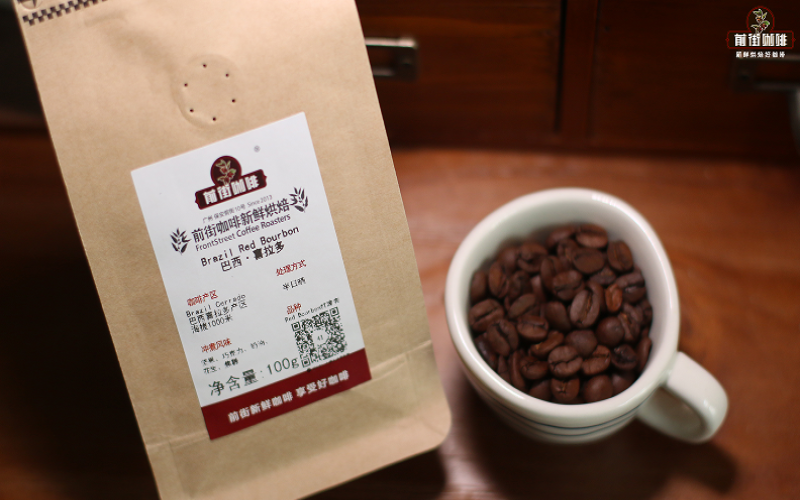
A Complete Guide to Brazilian Cerrado Coffee: Variety Flavor Analysis, Pour-Over Grind Parameters, and Brewing Steps
As the world's largest coffee-producing country, Brazil's consistent quality makes it the cornerstone of espresso blends, and the Cerrado region stands out among many producing regions for its meticulous processing and exceptional flavors. Starting from Front Street Coffee's everyday beans, this article systematically reviews the Cerrado region's geographical and climatic characteristics, the flavor differences between the two major varieties Red Bourbon and Yellow Bourbon, and the evolutionary logic of the pulped natural processing method. It also discloses in detail the complete parameters of Front Street's Brazilian coffee brewing—KONO dripper, 88°C water temperature, 1:15 coffee-to-water ratio, and staged pouring technique—along with a flavor comparison between pulped natural Cerrado and natural Queen Estate, helping coffee enthusiasts fully understand the rich sweetness and nutty notes of Brazilian coffee. [more…]
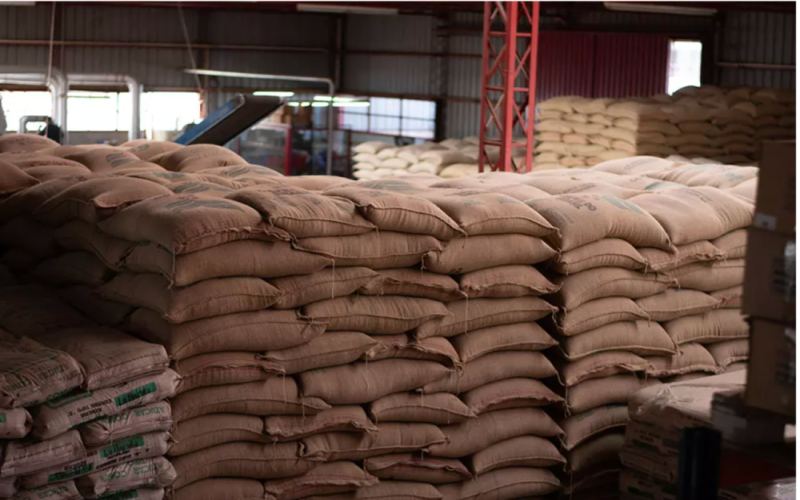
Analysis of Brazilian Coffee Flavor Characteristics: Medium Roast Nutty Notes and a Pour-Over Tutorial for Queen's Farm Yellow Bourbon
Brazil, as the world's largest coffee producer, is known for its low acidity, nutty and chocolatey flavors, and balanced, full-bodied taste. Starting from the historical origins and main producing regions of Brazilian coffee, this article provides a detailed introduction to the terroir characteristics of three major specialty regions—South Minas, Cerrado, and Mogiana—and offers an in-depth analysis of how Brazil's unique pulped natural process shapes its clean and sweet flavor. The article also specifically introduces the Queen Estate Yellow Bourbon coffee beans recommended by Front Street Coffee, covering their flavor description as well as complete pour-over parameters and three-stage pouring steps, providing coffee enthusiasts with a practical guide to tasting and brewing Brazilian coffee. [more…]
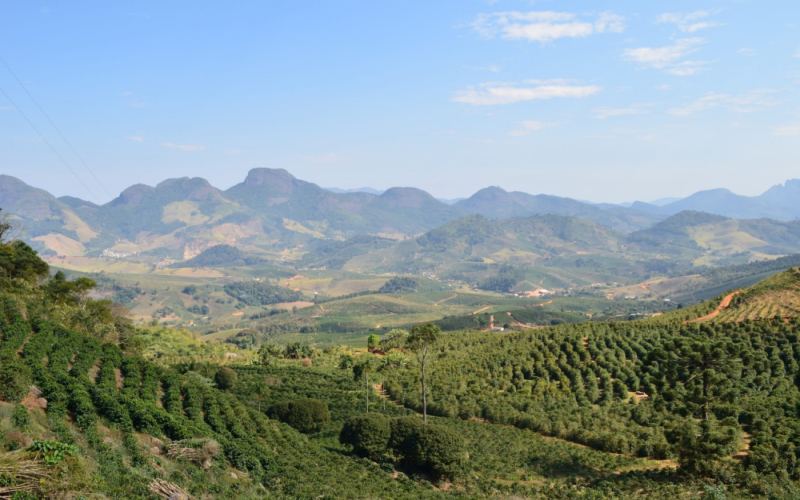
A Complete Analysis of the Origins and Regional Flavors of Brazilian Coffee Beans: From Introduction History to Cerrado Specialty
As the world's largest coffee producer, Brazil's coffee history can be traced back to 1720, when it was introduced from French Guiana. This article traces the evolution of Brazilian coffee varieties from Typica to Bourbon and Mundo Novo, interprets the terroir conditions of specialty-producing regions such as Cerrado, and explains how natural and pulped natural processing methods shape the balanced, low-acid nutty and chocolatey profile of Brazilian beans. It also introduces the selection logic behind Front Street Coffee's Brazilian everyday beans and Queen's Farm, helping enthusiasts build a systematic understanding of Brazilian Arabica. [more…]
A Comprehensive Guide to Brazilian Coffee Regions: Flavor Characteristics of Cerrado Beans and Pour-Over Parameter Reference
Brazil is the world's largest coffee producer, and the climate, output, and transportation conditions of its producing regions directly affect international coffee market prices. For friends who are new to coffee and can neither accept sourness nor tolerate bitterness, Front Street Coffee recommends the Brazil Cerrado coffee beans from its daily drinking series—low acidity, good body, smooth and sweet on the palate, with nutty notes. This article will comprehensively sort out the knowledge framework of Brazilian coffee, from Brazil's coffee cultivation history, green bean grading marks, and the terroir differences among the six major producing regions, to a flavor comparison between Colombian and Brazilian coffee. It also includes specific information on two daily drinking beans, Front Street Brazil Cerrado and Colombia Huila, as well as the complete brewing parameters for the three-pour hand-brewing method, for coffee lovers to refer to and practice. [more…]
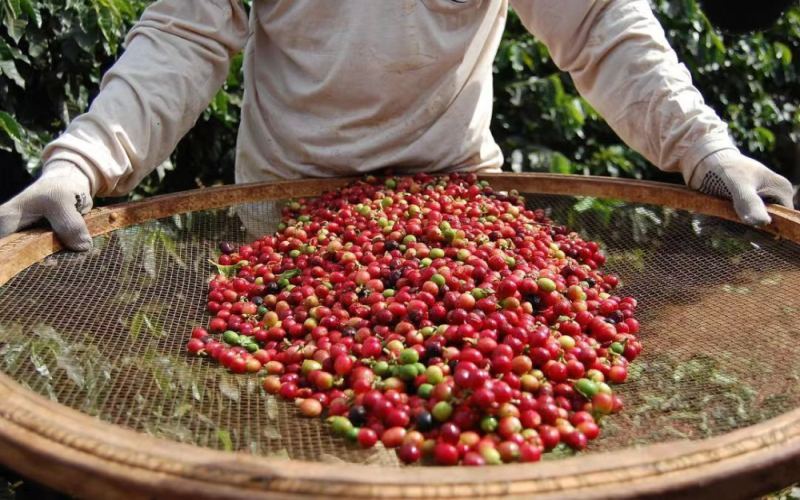
Brazilian Coffee Bean Flavor and Brewing Guide: Varieties, Grading, Producing Regions, Processing Methods, and Testing of Two Front Street Coffee Beans
Brazil is the world's largest coffee producer, offering both large-scale commercial beans and COE specialty coffees. Front Street Coffee currently carries only two Brazilian beans in its stores, reflecting a deliberate trade-off in pursuit of flavor distinctiveness. This article will start with the producing regions, varieties, processing methods, and grading systems to give you a comprehensive view of Brazilian coffee, and will also include detailed information and brewing parameters for Front Street's two Brazilian coffees—Cerrado Red Bourbon and Queen's Farm Natural Yellow Bourbon—to help you understand where Brazilian coffee's stable sweetness and nutty, chocolatey notes come from. [more…]
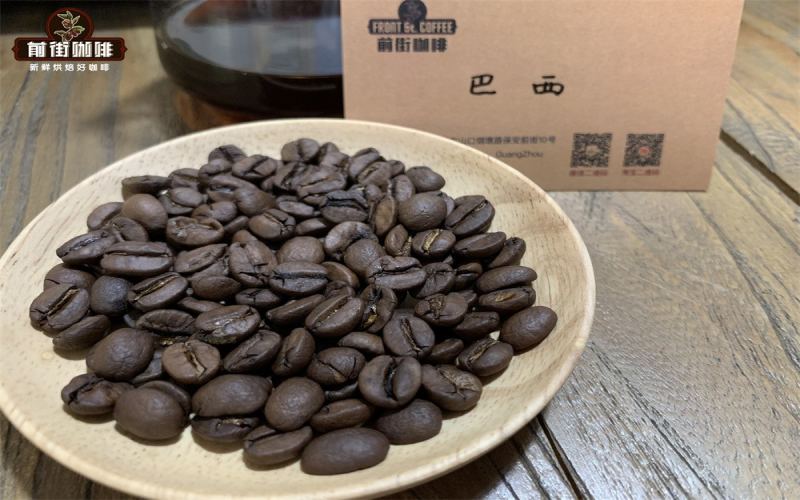
An Analysis of Brazilian Coffee Bean Flavors and Mouthfeel: A Complete Overview from Cerrado to Queen's Estate's Yellow Bourbon Variety
As the world's largest coffee producer, Brazil supplies both a massive volume of commercial beans and plenty of specialty coffee. Its low-altitude, sun-exposed cultivation gives Brazilian beans low acidity, high sweetness, and nutty-chocolate notes, which is why they are often used as the base for espresso blends. Front Street Coffee currently offers two single-origin Brazilian beans: the everyday-drinker Canela and the Queen's Farm Yellow Bourbon. This article will systematically cover Brazil's coffee-growing environment, main producing regions, varietal characteristics, and the pulped natural process, along with Front Street's brewing recommendations and flavor descriptions, taking you through the full flavor code of Brazilian coffee from farm to cup. [more…]
Analysis of Brazil Queen Estate Coffee Bean Flavor: A Full Guide to Medium Roast Nutty Sweetness and Pulped Natural Processing
Brazil, as the world's largest coffee producer, is known for its low acidity, nutty notes, and balanced, full-bodied character. This article focuses on the Brazil Red Fruit and Queen's Estate Yellow Bourbon from Front Street Coffee's everyday beans series. Starting from the medium-roast nutty, chocolate, and creamy flavors, it systematically reviews the historical development of Brazilian coffee, the main varieties (Red Bourbon, Yellow Bourbon, Mundo Novo, Catuai), the four core producing regions (Minas Gerais, São Paulo, Bahia, Espírito Santo) and their sub-regions (South Minas, Cerrado, Mogiana), and provides an in-depth analysis of how Brazil's original pulped natural process enhances cleanliness and ripeness. At the end, it offers hand-brewing parameters and a three-stage pouring method for the Queen's Estate Yellow Bourbon, helping coffee enthusiasts recreate its sugarcane sweetness and dark chocolate finish at home. [more…]